Наші фахівці дадуть відповідь на всі
ваші питання і допоможуть оформити замовлення
E-mail: valteks@ukr.net


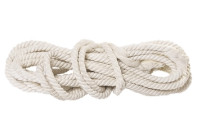
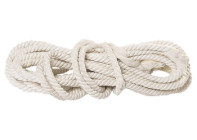
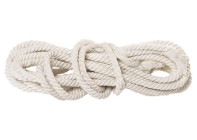
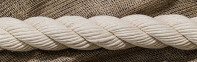
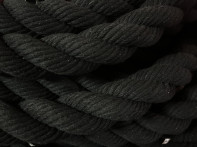
Канати бавовняні
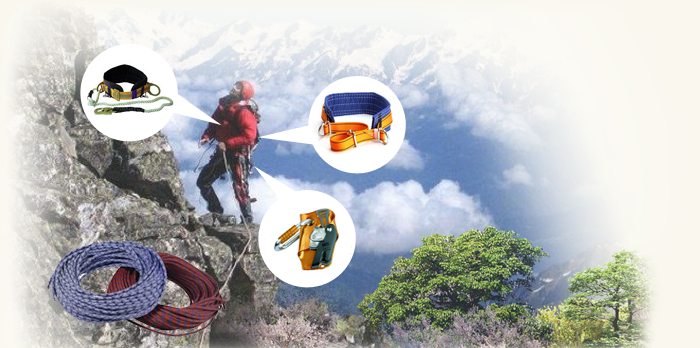
Бавовняний канат застосовується для виготовлення спортивного інвентарю (для лазіння та перетягування), для кріплення вантажів у металургійній промисловості (при згоранні не виділяє шкідливих речовин); дизайнерській сфері, у дорожніх роботах, у меблевій промисловості, сільському господарстві, нафтовидобувній галузі тощо
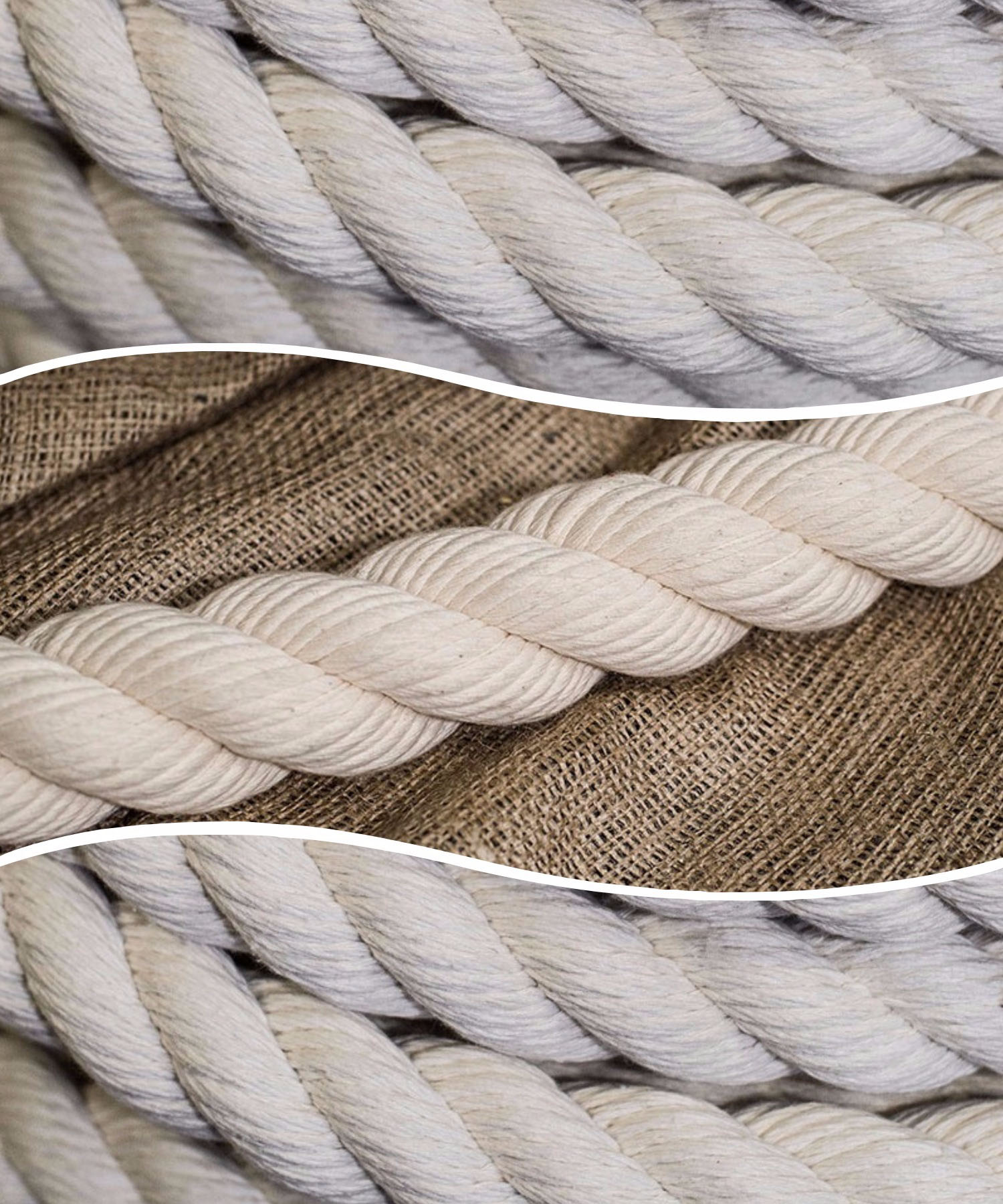
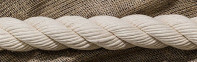
Бавовняний канат «Валтекс» кардинально відрізняється від аналогів, представлених на ринку і називається «Бавовняний канат тросової звивки». Цей канат займає лідируюче місце у тренажерних залах України. Він не розкручується і не розтріпується і має дуже довгий термін експлуатації.
Канат тросової звивки виготовляється у 4 трудомістких виробничих процесах, але виправдано дуже надійний у роботі.
Перевагою бавовняних канатів є їхня екологічність, м'якість, еластичність, мала розтяжність, хороші діелектричні властивості, гігроскопічність. Канат не нагрівається під час швидкого спуску.
Нашому канату довіряють, оскільки аналогів він не має і відповідає всім вимогам для кручених канатів тросової звивки.
| Зовнішній вигляд | Артикул | Назва | Од. вим. | Ціна | Кіль-ть |
|---|---|---|---|---|---|
|
№17006 | Канат бавовняний 6 мм. Мотки по 50 та 100 метрів | м |
3.68 грн.
|
|
|
№17008 | Канат бавовняний 8 мм. Мотки по 50 та 100 метрів | м |
7.94 грн.
|
|
|
№170010 | Канат бавовняний 10 мм. Мотки по 50 та 100 метрів | м |
10.86 грн.
|
|
|
№170012 | Канат бавовняний 12 мм. Мотки по 50 та 100 метрів | м |
15.30 грн.
|
|
|
|
№170016 | Канат бавовняний 16 мм. Мотки по 50 метрів | м |
36.06 грн.
|
|
|
№170022 | Канат бавовняний 22 мм. | м |
72.10 грн.
|
|
|
|
№170026 | Канат бавовняний 26 мм. | м |
111.90 грн.
|
|
|
№170027 | Канат бавовняний 28 мм | м |
126.38 грн.
|
|
|
170040 | Канат бавовняний 40 мм чорний | м |
333.50 грн.
|
|
 |
 |
 |
| м'якість та легкість | не боїться UF-випромінювання | екологічно чистий |
 |
 |
| спортивне спорядження | декор поміщень |

