

actually production, wide range, timely deliveries
Eng
Cart:
Cart is empty
Contact us for telephone numbers - we are on call

Our specialists will answer all
your questions and help you place an order


E-mail:   valteks@ukr.net

Catalog

Linen ropes


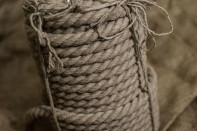
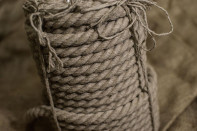
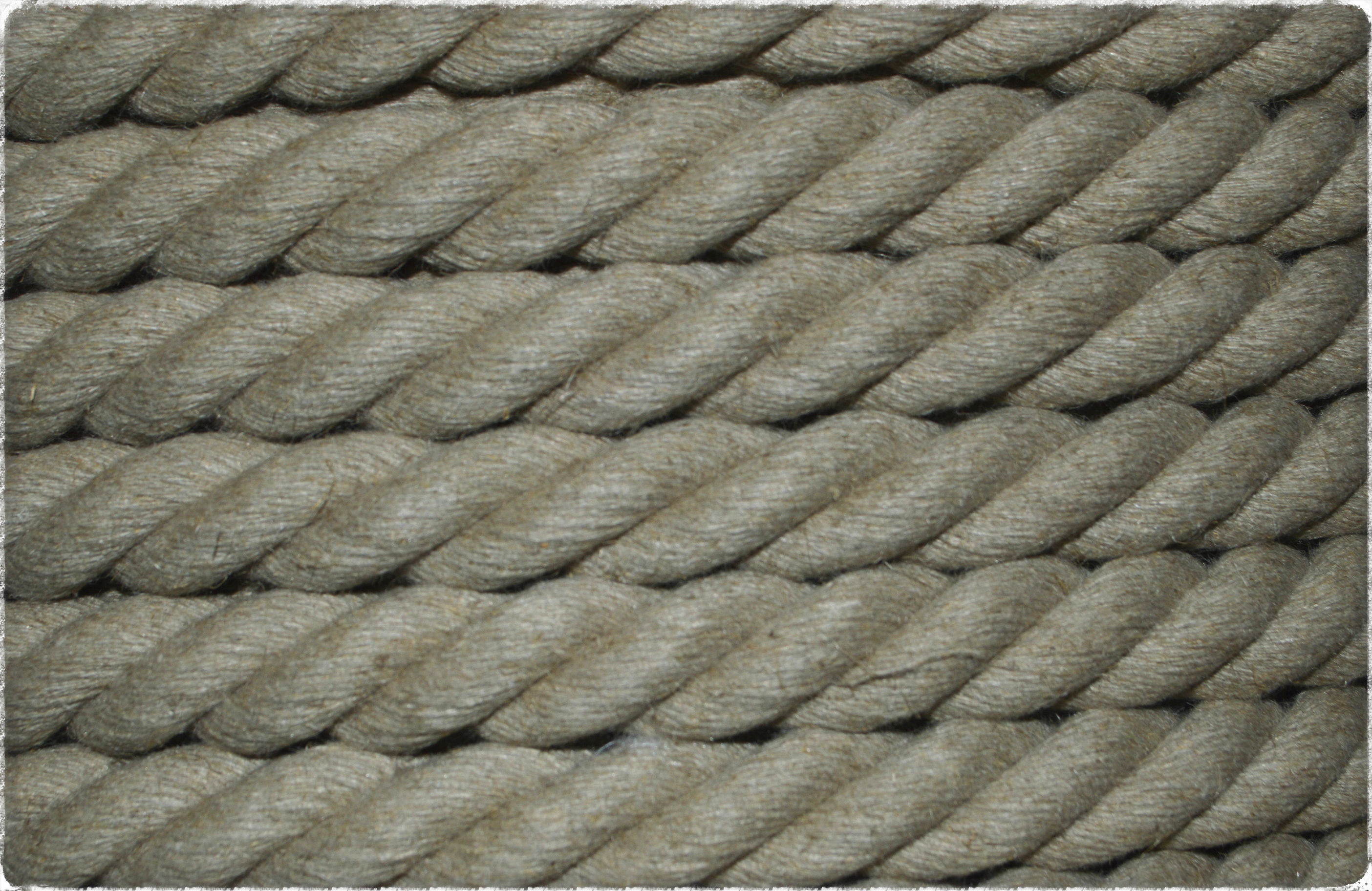
Linen ropes are made from linen yarn. Linen fiber is characterized by strength, low stretchability, and hygroscopicity.


The advantages of linen rope are: - High coefficient of friction; resistance to solar and thermal radiation; low electrification; environmental safety. The disadvantages of linen rope include high hygroscopicity, reduced breaking load when wet, and a tendency to rot. These disadvantages are easily eliminated after treating linen rope with special protective and impregnation agents.


Linen rope has a beautiful light gray color. Unlike linen rope, such a rope is smooth and very beautiful.


Linen rope is used for technical purposes, decorative decoration of wooden houses, houses made of timber, houses made of rounded log houses, chopped houses, and furniture decoration.


External look Artikul Name Unit Price Pack pcs.
No.210014
No.210014 Linen rope 14 mm m
18.40 uah
No.210018
No.210018 Linen rope 18 mm. m
22.00 uah
     
softness and lightness not afraid of UF-radiation  environmentally friendly


decor and interior decoration


Features
Polyamide (kapron) Polypropylene Polyester (Lavsan) Cotton
Density 1.14 g/cm3 0.91 g/cm3 1.38 g/cm3 1.50 g/cm3
Softening temperature 170 °C 140 °C 225 °C  
Melting temperature 215 °С 165 °С 260 °С  
Elongation at break up to 50% up to 30% up to 30% Up to 30%
Wet breaking load loss up to 15% (breaking load is restored upon drying) does not lose does not lose  increase up to 15%
Resistance to sunlight Insufficient Insufficient (when adding light stabilizers and dyes, they are resistant to light and atmospheric conditions and almost do not lose strength for a long time) Good Average
Resistance to temperature from –40 to +60 Good Insufficient Good  
Resistance to acids Insufficient Good Good Damaged
Resistance to alkalis Good (damaged in hot alkalis) Good Fair (damaged in concentrated and hot alkalis) Damaged
Resistance to microorganisms (rot, mold) Good Good Good Prone to rot
Insects Not edible Not edible Not edible  
Fire Hardly flammable Hardly flammable Hardly flammable Highly flammable (does not emit harmful substances when burned)
Flexibility Good Sufficient (decreases at negative temperatures) Good Good
Energy absorption capacity High Sufficient Good  
Resistance to shock loads (jerks) Good Sufficient Sufficient  
Electrostatic properties Dielectric Dielectric Dielectric Dielectric
Moisture absorption 4% 0% 0.4% 8.5%